How to Protect Your Electric Bicycle Battery?
How to Detect an Electric Bicycle Battery Failure?
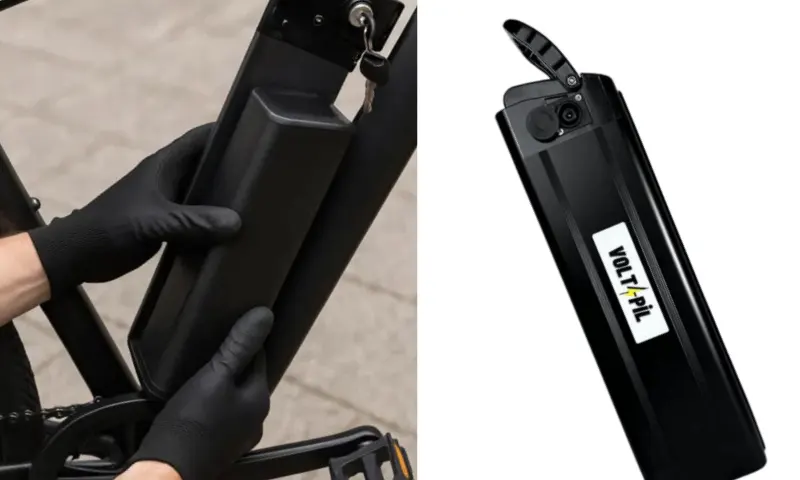
The first step to protecting your electric bicycle battery is to develop regular and correct charging habits. Always charging to 100% or using it until it's completely empty can damage the battery cells. The ideal approach is to charge the battery before it drops below 20% and stop charging when it reaches the 80-90% range. Humidity and temperature also directly affect battery health. Leaving the battery in direct sunlight or extreme cold can damage its internal structure. Lithium-ion batteries, in particular, are sensitive to sudden temperature changes. It is important to always store the battery in a dry, cool, and shaded area. Care should also be taken against physical impacts. For detailed information about electric bicycle batteries, you can visit the website https://voltpilbatarya.com/ebike/.
How to Recycle an Electric Bicycle Battery?
How to detect an electric bicycle battery failure is a frequently asked question by users experiencing performance degradation. One of the most common signs is the battery draining faster than expected. If a battery that previously provided 40 kilometers of range now runs out after 15-20 kilometers, there may be a fault in the cells. Another symptom is the battery overheating more than usual. If the battery surface becomes very hot during charging or use, it can indicate an imbalance inside. This situation not only causes performance degradation but also poses a safety risk. Loose or rusted connection points on the electric bicycle battery can also affect energy transmission over time. The question of how to recycle an electric bicycle battery is quite important for environmentally conscious users. Lithium-ion batteries cannot be thrown directly into the trash due to the metals they contain. Recycling is necessary to avoid harming the environment and to prevent resource waste. Unused or end-of-life batteries must be delivered to authorized recycling centers. In these centers, the battery is disassembled, and the lithium, cobalt, and other metals inside are separated. These materials can then be made usable in new production processes.