
Introduction of Solid Foods for Babies: A Journey to Healthy Eating

Introduction of solid foods for babies, usually starting from the 6th month, refers to the introduction of foods other than breast milk or formula milk to babies. This period is of critical importance in the baby's growth and development process. Although breast milk provides the essential nutrients that babies need, the transition to solid foods ensures that the baby gets acquainted with different food groups, increases dietary diversity, and receives important minerals like iron. Solid foods also help develop the baby's chewing, swallowing, and digestion skills. Furthermore, introducing different tastes and textures during this period lays the foundation for healthy eating habits in later life. You can look at the relevant online companies on the internet pages to get information on this subject and ask your questions, and examine it in detail from here.
Starting Solid Foods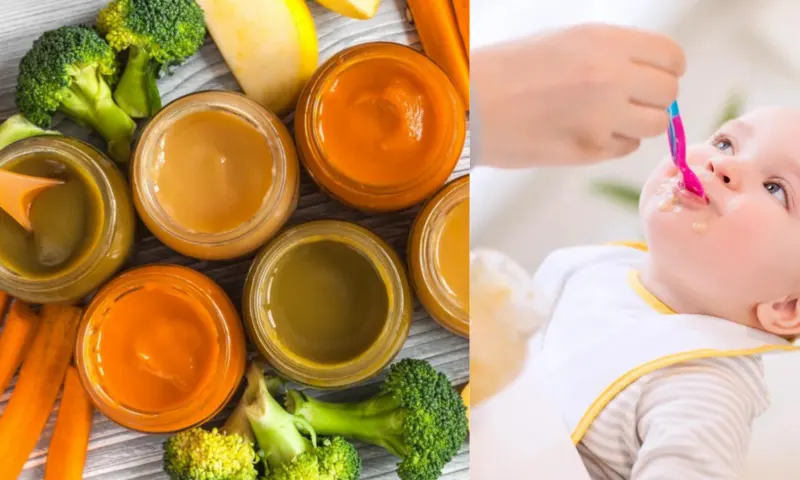
The transition to solid foods can vary for each baby; however, it is generally recommended to start around 6 months of age. The first foods include rice cereal, vegetable purees (especially carrots, zucchini, and potatoes), and fruit purees (like apple, pear, banana). Pureeing these foods helps the baby's digestive system adapt to new foods. Offering single-ingredient foods in the first attempts and waiting 3-5 days for each food is important for observing allergic reactions. Additionally, no salt, sugar, or spices should be added when preparing foods, as babies' kidneys are not yet ready to process such additives. Offering solid foods should be a pleasant experience, and the baby should be encouraged to feed themselves.
Solid Foods and Dietary Diversity
During the solid food period, providing dietary diversity is of great importance for babies to grow and develop healthily. After the 6th month, babies' diets should be enriched with various foods. Grains, vegetables, fruits, and protein sources (e.g., eggs, chicken, fish) can be added. The consumption of iron-rich foods (red meat, legumes) particularly reduces the risk of iron deficiency anemia in babies. When preparing foods for babies, fresh and organic products should be preferred, and processed foods should be avoided as much as possible. Also, water consumption should be considered, and the baby should be ensured to receive adequate fluids. The healthy and balanced progress of the solid food process will positively affect babies' future eating habits.