
How to Treat a Hammer Toe?
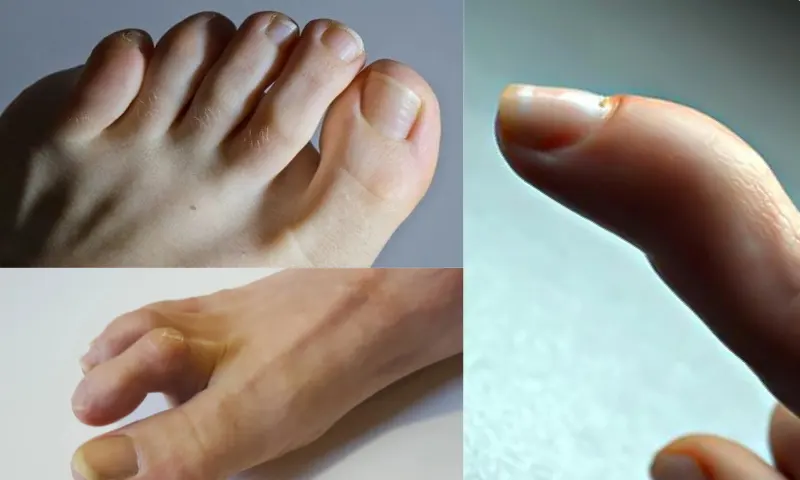
Non-Surgical Treatment Methods for Hammer Toe
Hammer toe is a deformity characterized by a downward bending of the middle joint of the toe due to an imbalance in the tendons of the toe joint. You can visit https://selimmugrabi.com/cekic-parmak/ for more information about hammer toe. It usually affects the second, third, or fourth toes and can cause pain, irritation, and friction with shoes during walking. The treatment method varies depending on the severity of the deformity and how long it has been present. Non-surgical methods are preferred in the early stages, while surgery may be necessary in advanced stages.
Surgical Options and Recovery Process for Hammer Toe
Hammer toe can be treated with conservative methods in the early stages. By holding the toe in the correct position with orthopedic toe splints or silicone devices, pain is reduced and the progression of the deformity is prevented. Shoe choice plays a critical role in treatment; wide-toed, flexible, and soft-soled shoes should be preferred. Additionally, exercises that strengthen the toe muscles are important. Movements such as lifting the toes upwards, picking up a towel, or grasping small objects with the toes strengthen the tendons and slow the progression of hammer toe. When applied regularly, effective results can be obtained in response to the question of how to treat hammer toe. In advanced stages, pain and gait disturbances can negatively affect daily life. Surgical intervention may be required for advanced hammer toes. In surgery, the tendons and joint structure are corrected, and the natural position of the toe is restored. Surgical methods are applied to restore toe functionality and completely eliminate pain. In the post-operative period, wearing appropriate shoes, orthopedic insoles, and exercises supported by physical therapy accelerate healing. The patient can return to their daily activities within a few weeks. In conclusion, the answer to the question of how to treat hammer toe is provided through conservative methods in the early stages, and surgical intervention and proper rehabilitation in the advanced stages.