
Things to Consider When Planning a GAP Tour
GAP Tour and Accommodation Planning
The GAP region is one of Turkey's hottest and driest regions. You can visit https://www.tatilflex.com/turlar/gap-turlari for more information about GAP tours. Therefore, season selection is extremely important when planning a GAP tour. Temperatures in the region can be quite high during the summer months, which can make your trip difficult. The most suitable periods for a GAP tour are the spring and autumn months when the weather is more moderate. The period between March-May and September-November is ideal for comfortably exploring the natural beauties of the region and visiting historical and cultural sites.
Places to Visit with a GAP Tour
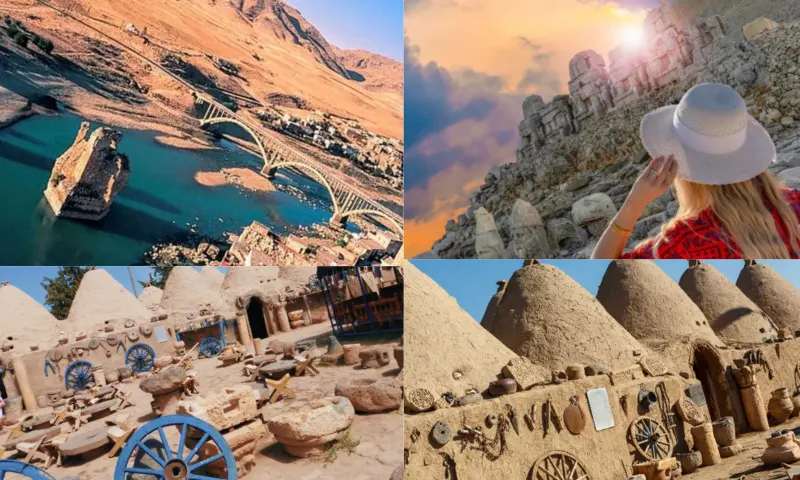
The GAP region is spread over a large geography, and therefore, it is important to pay attention to transportation and accommodation details when planning a tour. If you want to explore the region with your own vehicle, you should determine your route and stopover points in advance. Although there are plenty of accommodation options in big cities like Şanlıurfa, Gaziantep, and Mardin, it is beneficial to make reservations in advance in smaller settlements. During the GAP tour, you can benefit from bus services or package tours offered by tour companies. It offers a practical solution for those who do not want to bother with organizing transportation and accommodation. The GAP tour is a unique experience that offers historical, cultural, and natural beauties together. Due to the vastness of the region and the number of places to visit, it is necessary to plan the trip well. Must-see places like Göbeklitepe, Balıklıgöl, Halfeti, Hasankeyf, the stone houses of Mardin, and the Zeugma Mosaic Museum in Gaziantep should be on your list. Local bazaars and handicraft workshops also allow you to get to know the culture of the region closely. To use your time efficiently, you should research the unique characteristics of each city in advance and create a route accordingly. The GAP region also has a rich culinary culture.