
The History and Origin of Fortune Telling
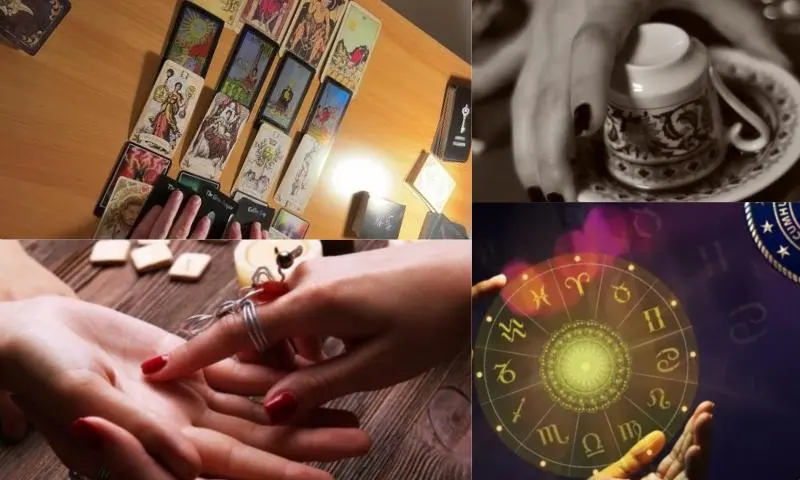
Fortune telling is a tradition as old as humanity itself, an practice undertaken to explore the future and the unknown. The tradition of fortune telling dates back to ancient times, to ancient civilizations. The first fortune-telling practices were associated with religious rituals in Mesopotamia and Ancient Greece. In this period, fortune telling aimed to learn messages from the gods. In Medieval Europe, fortune telling became more widespread among the public. Methods such as card, coffee ground, palm, and astrological readings held an important place in daily life. During this period, fortune telling was both an enjoyable pastime and a way for people who wanted to learn about their destiny. In Turkish culture, fortune telling is particularly identified with coffee cup reading. During the Ottoman Empire, drinking coffee became a social activity, and fortune telling became an inseparable part of this tradition. Coffee cup reading is a type of fortune telling that remains popular today and is practiced as a social activity that strengthens friendships. You can look at related online companies on internet pages to get information on this subject and ask questions you are curious about, and examine them in detail from here.
The Most Popular Types of Fortune Telling
Fortune telling is practiced based on many different methods. Each method can vary according to a person's personal preferences or cultural background. Here are some of the most popular types of fortune telling:
- Coffee Cup Reading: This is the most common type of fortune telling in Turkish culture. After drinking coffee, the grounds left at the bottom of the cup are interpreted by a fortune teller, who tries to provide information about the person's future. Coffee cup reading is usually done as a fun activity among friends.
- Tarot Reading: Tarot cards consist of 78 cards, each with specific meanings. Tarot reading is done by selecting and laying out the cards. Each card provides clues about a person's emotional state, important events in their life, and their future. Tarot is considered a deeper and more complex type of fortune telling.
- Astrology: Based on astrology, astrological readings are done by looking at a person's birth chart. This chart offers a way to understand the effects of planets and stars on a person's life. Astrological readings generally provide general guidance for the future and information related to personal development.
- Palm Reading: Palm reading is a type of fortune telling done by looking at the lines and shapes of the fingers on the hand. The lines on the hands provide information about a person's character and future. Palm reading generally offers clues about personal characteristics and mood.
Psychological Effects of Fortune Telling
Fortune telling, beyond sometimes being a fun and intriguing activity, can create certain psychological effects. People can experience the psychological aspects of fortune telling in various ways. Many people use fortune telling as a search for security against the uncertainties of the future. Especially during stressful periods, the sense of "solace" provided by fortune telling offers a type of relief to the person. This can help reduce the person's inner unease. Fortune telling is also a tool people use in their search to make sense of their lives. However, fortune telling can sometimes create negative psychological effects. Excessive expectations or misinformation about the future can increase a person's anxiety levels. When a person believes too strongly in what fortune tells them, it can affect their decisions and prevent a healthy approach in real life. The psychological effects of fortune telling can vary from person to person. When done as a fun experience, it is generally harmless, but caution should be exercised when it is used to guide the future in a serious manner.