Sack Production Stages
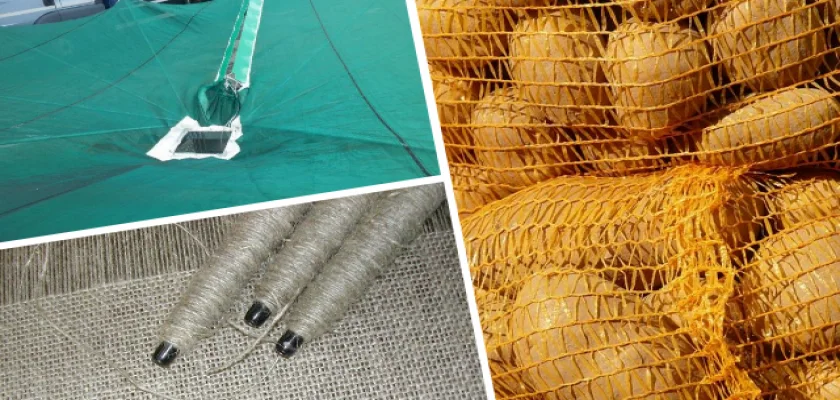
Straw sacks, seed sacks, rubble, bran, feed, and similar products are always lightweight and unlikely to escape from the sack. Therefore, they are woven more sparsely, or defective or faulty production products of other sack types are used for carrying, packaging, and storing such products. The fact that products like straw, feed, and rubble are low-cost products requires the sack to be below this cost, which is an important factor. For companies or individuals who need sacks for packaging these types of products, even second-hand sacks are available for purchase. Companies selling straw sacks make the cost more economical for the customer with free shipping and home delivery options. Sack production involves several stages, from the yarn to the stitching. The production starts with yarn, and the yarns used must have a certain tensile strength. For this purpose, yarn tests are first conducted.
Areas of Use for Quality Big Bag Sacks
In fact, we can also refer to them as more modern sack designs. With their lids, handles, and aesthetic structure, they are generally used for carrying heavy tonnage construction materials. In production, Big Bag Sack prices are determined according to dimensions. Big bag sacks, which can be printed in up to 6 colors, can be woven with different densities according to the area where customers will use them. Big bag sacks are preferred for carrying materials such as pharmaceuticals, food, chemicals, construction materials, cement, and plaster. They are also recommended as high-quality sacks for storing products that need to be stocked for certain periods. Big bag sacks are also sold wholesale at affordable prices for city and intercity shipments. Yarns are woven in weaving factories, and a significant part of the sack production is completed. A lamination process is applied according to the requested sector or need. With colored printing machines, desired texts or photos of customers are also applied. However, the sack-making process does not end here. The woven fabrics sent to the textile department have their bottom and top seams sewn there, then they are rolled up and are ready for use. Generally, for wholesale orders, these rolls are delivered to the customer in the desired quantities without being broken down.