What to Know About UV Printing Techniques
These printing techniques are generally widely used, especially for labels and packaging products with the desired features requested by customers. With the standard label printing methods, problems such as fading colors over time, labels peeling off the product, being affected by water, etc., occur when used outdoors. With UV printing techniques and systems, using PVC or OPP materials for labels, these problems are largely eliminated. There is absolutely no wear and tear on the labels until they reach the end consumer. On the other hand, when customers want to remove labels from products, the problems of peeling and leaving residue associated with paper labels are completely eliminated, and the labels are removed from the products smoothly and quickly. UV prints are one of the most used and preferred printing techniques because their curing methods are specially produced and they are highly resistant to sunlight. Furthermore, due to the properties of UV printing techniques, they quickly eliminate factors that could damage the printing material, such as fading in sunlight.
On What Materials is UV Printing Applied?
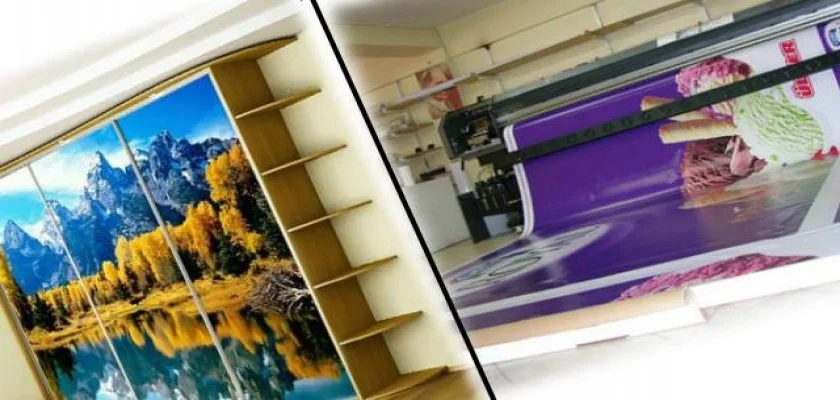
Additionally, these printing techniques and systems are most suitable for printing drawings, photographs, and text. With UV curing systems, prints can be made on any desired material in the desired quantity and with the desired number of colors without any issues. It is possible to achieve the same results as gravure printing with this printing system. As is known, these printing systems are used reliably and effectively in all areas with the desired features. UV printing systems generally range from 100 microns to 400 microns in thickness. With these printing techniques, water and sun-resistant offset prints are made on all facilities, from PVC systems to PP, from opaque and transparent stickers to metallized materials. They are applied in all desired areas.
www.ikitellibaski.com