
Smart Home Technologies: Innovative Solutions

Smart homes are modern living spaces equipped with technology that make daily life more comfortable and efficient. Various smart devices and systems are integrated into these types of homes. Smart home systems typically include smart hubs that control lighting, heating, cooling, security, and entertainment systems. Smart lighting systems allow homeowners to control lights remotely and save energy. Thermostats optimize temperature control and reduce energy consumption. Smart homes are also equipped with security systems such as smart locks, door cameras, and motion sensors. These devices give homeowners the opportunity to remotely ensure the security and control of their homes. Additionally, entertainment systems like voice assistants and smart TVs make living spaces more interactive and enjoyable. For information on this topic and to ask your questions, you can look at the relevant online companies on the internet pages and review them in detail from here.
Comfort and Energy Efficiency in Smart Homes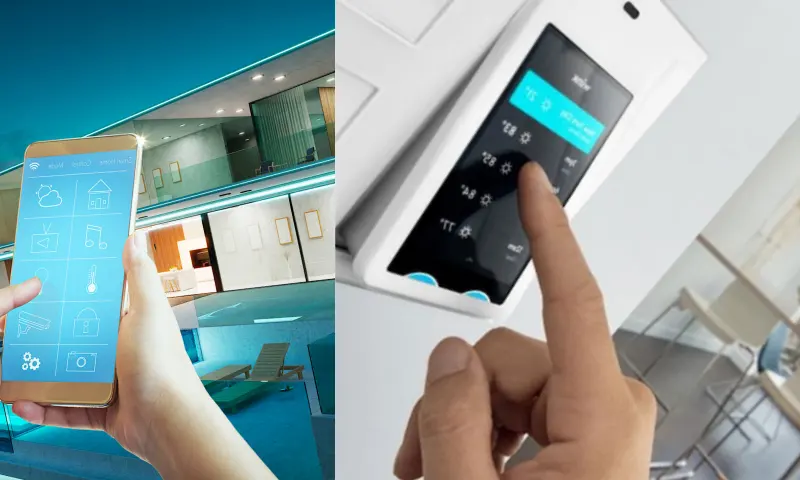
Smart homes have many features that increase comfort. Smart home systems elevate the quality of life by automating users' daily routines. For example, smart thermostats adjust the home's temperature according to external weather conditions and user preferences. Smart lighting systems save energy and provide comfort to homeowners by turning lights on and off at specific times. Furthermore, smart homes allow users to control their homes remotely, which allows you to maintain the order and comfort of your home even when you are on vacation or at work. Energy efficiency is another important advantage of smart homes; energy-saving devices and systems reduce electricity bills and minimize environmental impact.
Smart Home Security Systems and Risks
Smart home security systems provide homeowners with a high level of protection. Smart security cameras, door sensors, and motion detectors monitor every corner of the house, providing protection against potential threats. These systems send real-time notifications to homeowners and enable them to respond to security incidents immediately. However, smart home technologies also have some risks. Smart devices connected via the internet can be vulnerable to cyberattacks. To prevent security vulnerabilities, it is necessary to regularly update smart home devices, use strong passwords, and take security measures such as two-factor authentication. Furthermore, to protect data privacy, it is important to share personal information only with trusted and certified service providers. Smart home technologies make living spaces more comfortable, efficient, and secure. Technological innovations, energy saving, and security systems meet the needs of modern life; however, taking cybersecurity measures also ensures the secure use of these systems. To best benefit from the advantages offered by smart homes, it is important to follow technological developments and pay attention to security measures.