What You Don't Know About the Internal Structure of Transistors
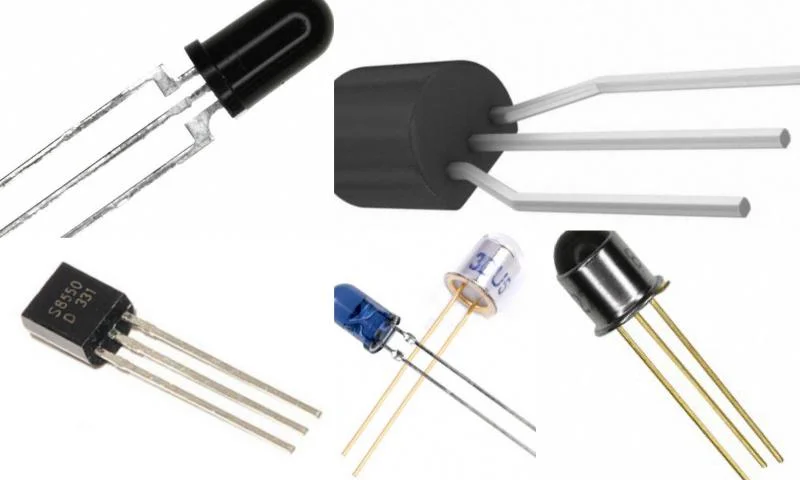
Systems developed to control voltage sources, primarily BJT and FET types, are called transistors. FETs, among the system components, are used in integrated digital circuits, while BJTs function with current. The working principle of transistors, which have three different connections, is quite simple. To understand this system, you can liken the components to faucets. In the faucet analogy; the handle used to turn the water on and off, and adjust its flow, functions similarly to the Base in BJTs. The base system in BJTs is similar to the Gate terminal in FETs. The force applied to the faucet handle determines the magnitude of the current. The external force applied to the faucet obstructs the flow of water inside the system, creating resistance. The sink drain in this system can be described as ground.
How Do Transistor Components Work?
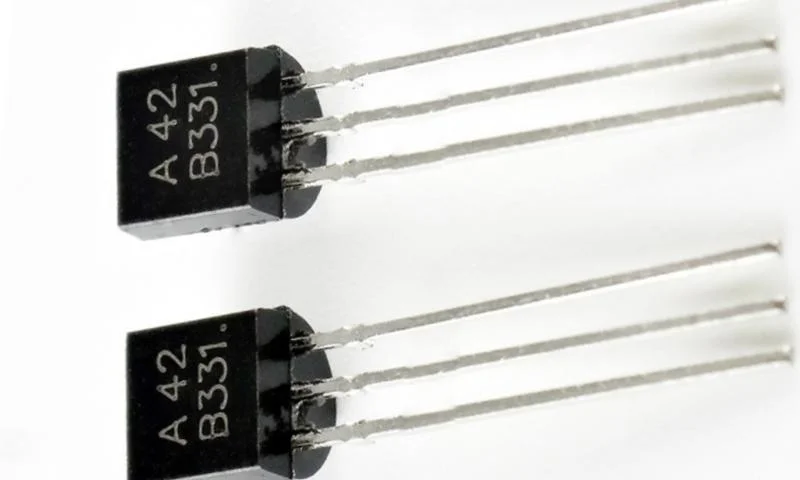
Transistors work through changes in electrical resistance. When there is no base current or gate voltage, almost no current flows between the two terminals. A small current at the base connection causes a decrease in resistance. This means that large currents can be controlled by a small part of the transistor. These systems can also be used as switches. A small current supplied to FETs allows a strong electrical current to complete its circuit. Systems that enable the production of strong signals are called semiconductor circuit elements. Systems that allow for the control of electric current can be purchased from relevant online stores on web pages.
Physical Structure of the Transistor System
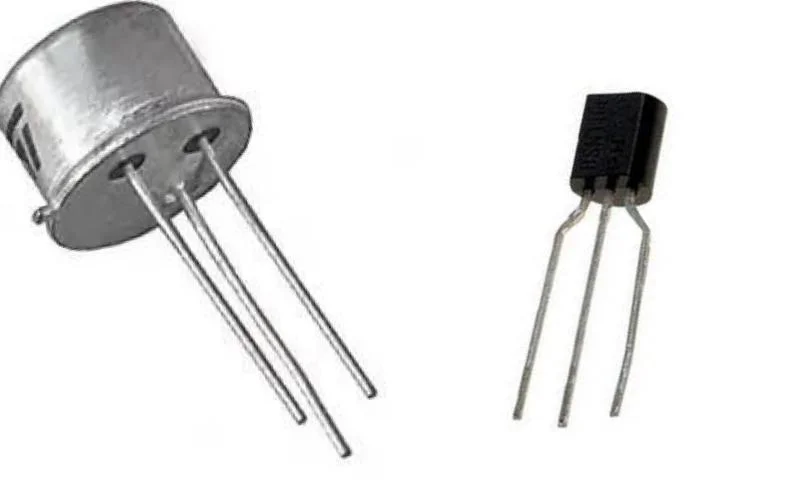
Transistor systems have three legs, and when an electrical signal is applied to one of these legs, the electric current between the other legs can be controlled. The diode within the system can be polarized in two different ways. Applying a positive voltage to the anode terminal of the diode while applying a negative voltage to the cathode terminal is called forward biasing. In this system, current flow is allowed from anode to cathode. The systems used in many areas of industry are highly functional.