
The Life of Şehzade Mustafa
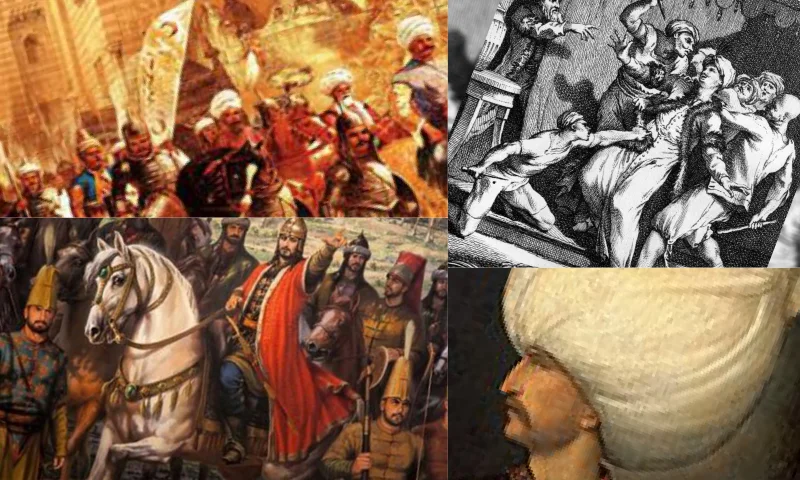
Şehzade Mustafa was the eldest son of Suleiman the Magnificent. Şehzade Mustafa was born in Manisa in 1515 when his father was still a Şehzade. After his father, Sultan Suleiman, became Sultan, Mustafa began his education in Istanbul. When Şehzade Mustafa reached the age to receive a sanjak, he took an oath to the Janissaries and was appointed the Governor of the Saruhan Sanjak. Here, Şehzade Mustafa came to the fore with his just and warrior character, earning the appreciation of the people. He continued his success in the sanjaks he was later appointed to, gaining the favor of all the Ottoman people. Mustafa's popularity bothered some circles.
Why was Şehzade Mustafa Executed?
Şehzade Mustafa had 3 strong rivals in the struggle for the throne. These were Şehzade Selim, Bayezid, and Mehmed, the sons of Hürrem Sultan. Şehzade Mehmed was the son Hürrem Sultan most wanted to ascend the throne. Being the eldest son also facilitated this situation. Therefore, Hürrem Sultan began preparing her son Mehmed for the struggle for the throne. However, after Şehzade Mehmed died of natural causes at a young age, Hürrem Sultan had to choose between her sons Şehzade Selim and Bayezid. Şehzade Cihangir, being hunchbacked from birth, was never considered a successor. Şehzade Mustafa's mother was Mahidevran Sultan. Mahidevran Sultan had lost the support of the palace and fallen out of favor with Sultan Suleiman. This situation was one of the biggest obstacles in Mustafa's path to the throne. Şehzade Mustafa's greatest supporter was Grand Vizier Pargalı Ibrahim Pasha. Pargalı Ibrahim Pasha was one of the most important Grand Viziers for the Ottoman Empire. He had met Sultan Suleiman when Suleiman was still a Şehzade and had served as his chamberlain. Later, he became Sultan Suleiman's Grand Vizier and one of his closest friends. They participated in many campaigns together and experienced the golden age of the Ottoman Empire by discussing state affairs together. Pargalı Ibrahim's achievements in such great matters led him to succumb to arrogance. Pargalı Ibrahim often led the Ottoman army himself and played a major role in conquests in both Europe and Persia. This situation led him to see himself as equal to Sultan Suleiman. Ibrahim Pasha commissioned his own statues and ordered people to address him as 'Sultan'. This was an event that could shake Sultan Suleiman's authority. For this reason, Suleiman the Magnificent, not allowing the Ottoman Empire to be divided, had his Grand Vizier, Pargalı Ibrahim, executed. This event caused Şehzade Mustafa to lose his greatest support. The execution of Ibrahim Pasha is the biggest reason why Şehzade Mustafa could not ascend the throne.
Events Leading to Şehzade Mustafa's Execution
The individuals responsible for Şehzade Mustafa's execution were Sultan Suleiman's wife Hürrem Sultan, the new Grand Vizier Rüstem Pasha, and Hürrem Sultan's daughter Mihrimah Sultan. Hürrem Sultan paved the way for Rüstem Pasha, the Governor of Diyarbakır, to become Grand Vizier and, in cooperation with him, dug Mustafa's grave. According to their plan, Mihrimah Sultan and Rüstem Pasha were first married, and Rüstem Pasha became a son-in-law of the dynasty. This enabled Rüstem Pasha to have a say in the state. Rüstem Pasha is one of the Grand Viziers who caused the most harm to the Ottoman Empire. He accepted bribes, engaged in illicit activities, and caused the execution of an important figure like Şehzade Mustafa. The biggest event that led Şehzade Mustafa to execution was the great slander against him. Hürrem Sultan wrote letters from Şehzade Mustafa's name to the Shah of Iran, seeking support for the throne. Furthermore, Mihrimah Sultan stole Şehzade Mustafa's seal and ensured the letters were authenticated. In the continuation of the letters, Şehzade Mustafa was referred to as 'Future Sultan'. Hürrem Sultan presented these prepared letters to Sultan Suleiman through Rüstem Pasha. After reading the letters, Sultan Suleiman began to see Mustafa as a threat to his own reign. The era of Sultan Suleiman was one of the most brilliant periods of the Ottoman Empire. The fact that the state became a full-fledged Empire and ruled over 3 continents necessitated extreme caution in matters of succession. The slightest crack in state administration could lead to great problems. Therefore, Sultan Suleiman was always cautious and did not hesitate to execute important figures like Pargalı Ibrahim. Another factor that led to Şehzade Mustafa's execution was his growing a beard. In the Ottoman era, a Şehzade growing a beard was considered a sign of potential emperorship. Additionally, Şehzade Mustafa's great popularity among the Janissaries and his constant support from them frightened Sultan Suleiman. On the other hand, Mustafa taking up a sanjak was the final straw. Sultan Suleiman, fearing being deposed by his son and exiled, like his grandfather Sultan Bayezid II, ordered the execution of his Şehzade. In 1553, as the Ottoman Empire was preparing for a campaign, Sultan Suleiman summoned his son Şehzade Mustafa to Konya under the pretext of aid. Those accompanying Mustafa warned him that he would be executed. However, Şehzade Mustafa, loving his father deeply and trusting him completely, did not heed these warnings. Mustafa went to the encampment in Konya in white clothes, wanting to show this as a sign of his innocence. Upon arriving at the encampment, his aides told him that he should meet Sultan Suleiman outside, on horseback, and that meeting in the tent was not appropriate. At this moment, an arrow came from among the soldiers, and a paper attached to the arrow stated that the Şehzade would be executed. However, Şehzade Mustafa considered not trusting his father to be disrespectful and went to the Sultan's presence alone and unarmed. When Mustafa entered the tent, Sultan Suleiman was waiting for him behind a curtain. As the Şehzade entered, he was confronted by 7 mute and deaf executioners and understood at that moment that he would be executed. Şehzade Mustafa began to fight with the executioners, but he could not overcome the 7 men and lost his life. The execution of Şehzade Mustafa caused a great stir in the Ottoman Empire, and Sultan Suleiman began to be known as a child murderer. The enraged public demanded the heads of Hürrem Sultan and Rüstem Pasha but were unsuccessful. Şehzade Mustafa, who was executed on October 6, 1553, at the age of 38, was considered a traitor by many.