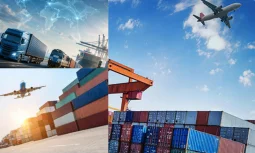
What is the Revolution in Maritime Transportation?

The Revolution in Maritime Transportation refers to the reshaping of maritime transportation, one of the oldest and most important methods of global trade, with modern technology. Today, the increasing volume of trade has made faster, safer, and more environmentally friendly transportation solutions essential. This transformation is taking place through automation systems, artificial intelligence-assisted logistics planning, and more efficient ship designs. Maritime transportation is no longer just a method of carrying cargo, but has become a global logistics network integrated with advanced technology. This revolution directly affects the world economy by increasing the speed and efficiency of trade. For information on this subject and to ask your questions, you can look at related online companies on web pages and review them in detail from here.
Technological Innovations and Smart Logistics Systems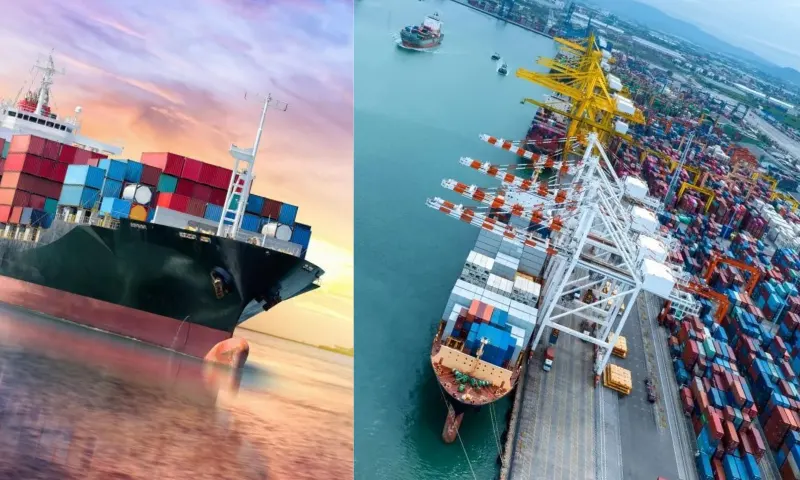
Technological developments are one of the most important elements of the Revolution in Maritime Transportation process. Transportation has become safer thanks to smart ships, automatic steering systems, and satellite-based tracking technologies. Artificial intelligence optimizes routes, reducing fuel consumption and shortening delivery times. Additionally, automation systems used in ports increase operational efficiency by speeding up loading and unloading processes. The status of cargo can be tracked instantly through digital monitoring systems, which provides transparency in logistics processes. All these innovations are transforming maritime transportation into a smarter and more sustainable structure.
Sustainability and the Future of Maritime Transportation
The Revolution in Maritime Transportation is of great importance not only in terms of speed and efficiency but also in terms of environmental sustainability. Ships that consume less fuel minimize environmental damage by reducing carbon emissions. The use of renewable energy sources and environmentally friendly ship technologies are shaping the future of the sector. Furthermore, green port projects and carbon-neutral transportation goals strengthen the understanding of sustainable logistics. In the future, maritime transportation is expected to become fully digitalized and environmentally compatible. As a result, this revolution ensures the development of global trade in a faster, safer, and more environmentally friendly manner.