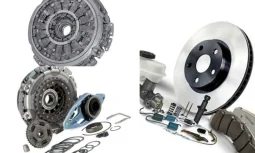
How Does CNC Work?
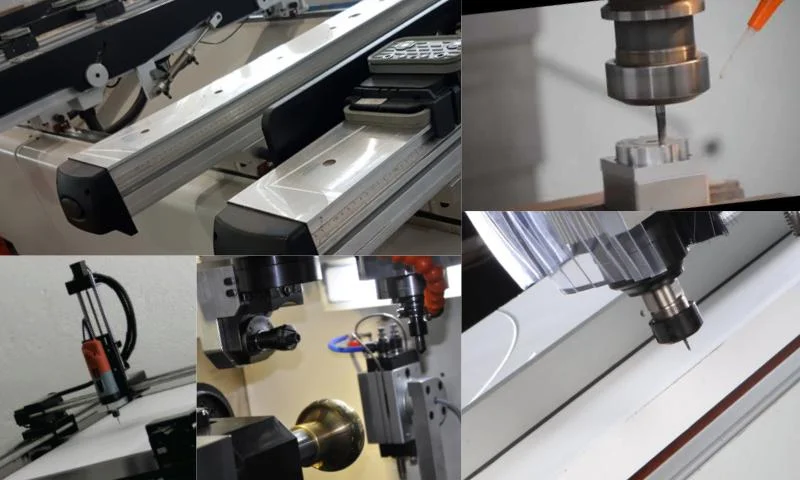
To perform each operation, CNC machines must move in specific ways and, depending on the type of operation, CNC machines must move linearly or rotationally along a series of axes. Some machines, such as those with robotic arms, may have five or more axes to provide complex movement. A five-axis machine may have three linear axes and two rotational axes, allowing for a 180-degree rotation. Below, we share the details of standard and mini CNC machines with you.
Standard CNC Machines
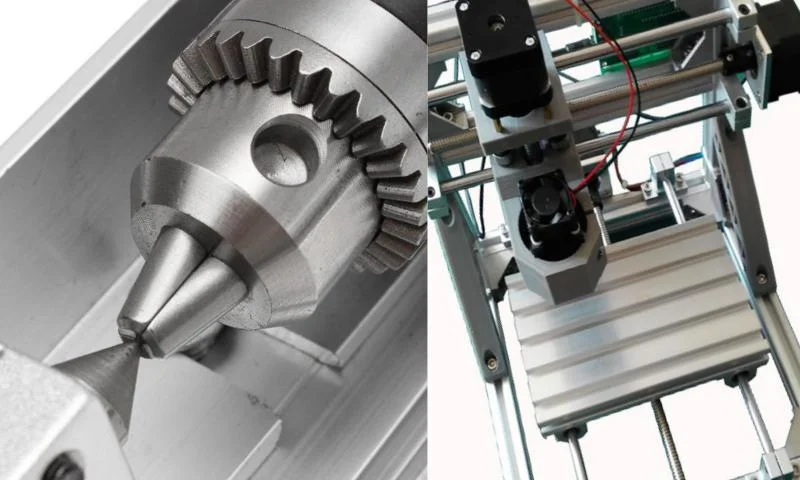
A typical CNC machine relies on carefully programmed software to control its movement. Since machines can be easily reprogrammed to adapt to a wide variety of tasks, almost any operation can be run using CNC software. The feedback system allows manufacturers to monitor progress and track the equipment for defects that could cause errors.
Mini CNC Machines
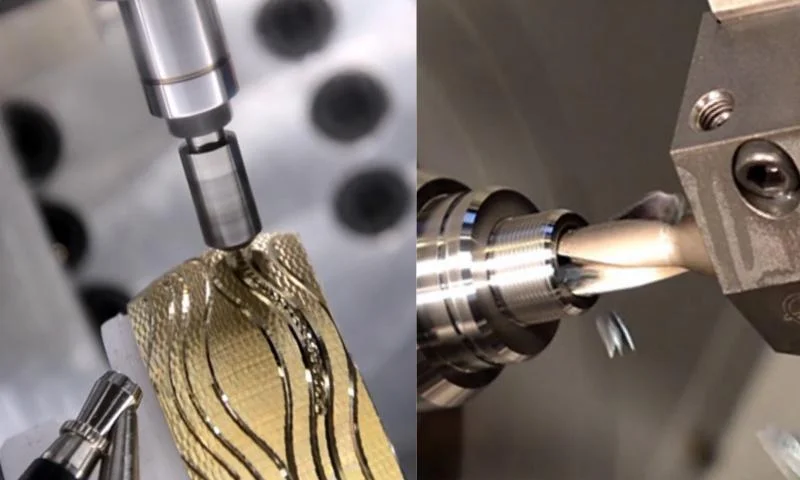
Companies specializing in the production of CNC machines often offer a desktop series consisting of smaller, lighter machines. Although Mini CNC machines are slower and less precise, they work well with soft materials like plastic and foam. The machines in the mini series resemble the larger industry standard, but their size and weight make them more suitable for small applications. For example, a small lathe with two axes that can machine parts up to six inches in diameter would be useful for jewelry and mold making. If you are doing limited production rather than extensive and large-scale production, Mini CNC is for you.